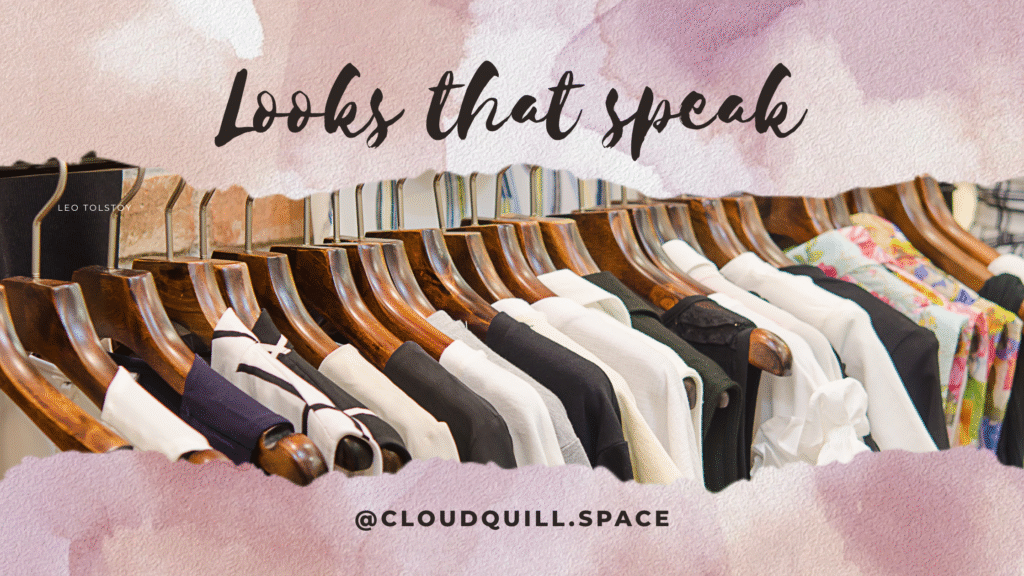
Fashion isn’t just about fabric and trends; it’s a language that communicates identity. From the sneakers you wear to the jewelry you choose, clothing reflects personal values, cultural background, and even social status. Fashion theory helps us understand why we dress the way we do and what those choices reveal.
1. Clothing as Communication
The famous sociologist Roland Barthes described fashion as a system of signs. Just like words form sentences, clothes send messages. A tailored suit signals professionalism, while ripped jeans convey rebellion or casualness. Fashion tells others who we are—or who we want to be—before we even speak.
2. Personal vs. Collective Identity
While personal style expresses individuality, it’s also influenced by collective identity. For example, youth subcultures like punk or hip-hop use fashion to show belonging. Wearing oversized hoodies, leather jackets, or band tees is not just a personal choice but a way of aligning with a community.
3. The Role of Culture and Society
Fashion is heavily tied to culture. Traditional saris, kimonos, or dashikis are more than garments; they embody heritage and history. At the same time, global fashion trends influence local wardrobes, creating a mix between cultural pride and modern adaptation.
4. Power and Status
Historically, fashion was used to display power. Royalty wore crowns, silk robes, and jewels to separate themselves from commoners. Even today, luxury fashion—think designer handbags or watches—functions as a symbol of wealth and success.
5. Identity in Flux
Fashion also allows for reinvention. A person may dress conservatively for work but adopt edgy streetwear on weekends. Our wardrobes reflect the fluidity of identity, changing with life stages, moods, and aspirations.
6. The Digital Age Effect
Social media has amplified fashion as identity. Instagram and TikTok give people global platforms to showcase personal style. What once was private self-expression has become content for worldwide audiences, shaping how we perceive both ourselves and others.
Final Thoughts
Fashion is far more than clothing—it’s identity in motion. By analyzing what we wear and why, fashion theory reveals deeper truths about culture, power, and belonging. Every outfit is a silent statement, and the choice of how we present ourselves is one of the most powerful tools of self-expression.