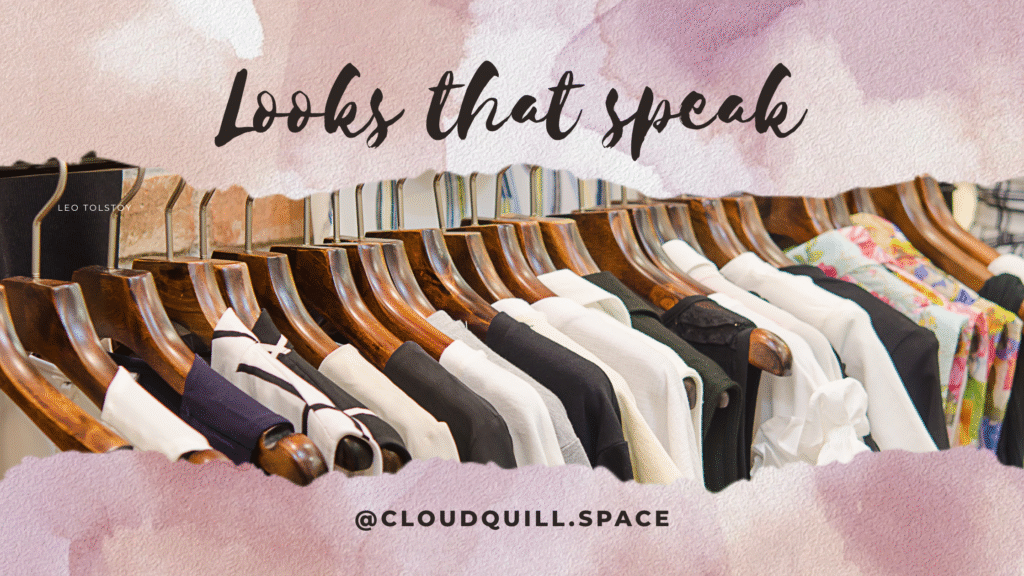
Ever notice how flared jeans from the 1970s, chokers from the 1990s, or corsets from the Victorian era suddenly reappear on runways and in stores? Fashion may feel new, but most trends are old ideas reborn. This concept lies at the heart of fashion cycle theory.
1. What Is the Fashion Cycle?
The fashion cycle explains how trends emerge, rise, peak, decline, and then return years later. It follows a predictable curve: innovation → popularity → saturation → decline → revival. Each stage shows how society interacts with style.
2. Innovation: The Birth of a Trend
Trends often start with designers, celebrities, or subcultures. When a musician introduces a new look or a brand launches an experimental design, early adopters pick it up. At this point, the style feels unique and exclusive.
3. Popularity and Peak
As media coverage spreads, the trend enters mainstream culture. Think skinny jeans in the 2000s or oversized blazers today. During the peak, everyone wants to wear the style, from high fashion to fast fashion retailers.
4. Decline and Saturation
Once a trend becomes too common, its novelty fades. People start looking for something fresh, and the once-beloved style is cast aside. For example, low-rise jeans went from iconic in the early 2000s to outdated by the 2010s.
5. Revival and Nostalgia
After a break, trends often come back. This revival is usually fueled by nostalgia. Gen Z, for instance, has embraced Y2K fashion, reimagining butterfly clips, crop tops, and baggy pants with a modern twist. What feels “vintage” gains cultural appeal again.
6. Why Fashion Cycles Repeat
- Cultural nostalgia: People romanticize past decades.
- Sustainability: Thrift shopping and vintage culture encourage recycling old trends.
- Innovation limits: Designers can only reinvent clothing so many ways, so revisiting history sparks inspiration.
7. The Future of Fashion Cycles
In today’s fast fashion and digital age, cycles move quicker than ever. What once took decades to return now resurfaces in a matter of years, driven by TikTok micro-trends. However, the sustainability movement may slow things down, encouraging timeless style over fleeting fads.
Final Thoughts
Fashion cycles show that style is never truly new—it’s a dialogue between past and present. By understanding this theory, we can appreciate why our closets feel both nostalgic and modern at the same time. Next time you see an “old” trend come back, remember: fashion never dies, it just evolves.